
The Backyard Chickens That Raised Us
- Tammy Johnson

- Apr 17
- 6 min read
Updated: 20 hours ago

Written and edited by Tammy 17th April 2026
The air’s cooling off, the sky that soft lavender-pink we only seem to notice when we slow down.
My two-year-old granddaughter grips the torch like it’s a sacred treasure.
My five-year-old grandson walks beside her, whispering about “monsters” in the dark.
They’re on an important mission.
They’re heading down to pen up the chickens!
Behind them, lolloping through the long grass, are the only real “monsters” in sight… the cat and the dog, happily tagging along like part of the security patrol.
And as I watch those two little shadows wobble their way toward the chook pen, my heart just melts, because I’ve seen this before.
Their mother did the very same thing at that age. Torch in hand. Bare feet in gum boots. Big imagination. Important job to do.
Some traditions aren’t loud.
They don’t come with certificates or trophies.
But they shape us.
And backyard chickens are one of those quiet rites of passage.
Backyard Chickens — More Than Just Eggs
Let’s be honest… eggs aren't cheap right now.
Walking out to the pen and collecting warm, freshly laid eggs from your own backyard chickens feels almost rebellious in the best way.
They're free, organic and reliable.
But chickens give us far more than eggs.
They give us:
Responsibility
Routine
Connection to food
A reason to step outside daily
A front-row seat to nature doing its thing
For children especially, caring for animals teaches real, everyday life skills. Feeding. Refilling water. Checking fences. Observing behaviour.
(It still makes me smile that it even taught my three girls about “the birds and the bees”…
yes, we had a rooster — I’ll leave that one right there.)
It’s not theory, it’s lived learning. And that sort of learning sticks.
Nature’s Pest Patrol (No Chemicals Required)
This is where chickens quietly shine. They fit beautifully into a balanced, chemical-free garden. While they scratch and forage, they’re doing some serious garden work:
Reducing pests naturally
Interrupting pest life cycles
Decreasing our reliance on pesticides
Improving soil health
Providing food security
Every time we reach for chemical sprays, we’re not just targeting “the bad bugs”, we risk harming the beneficial ones too, and that ripple doesn’t stop there.
Our blue-tongue lizards, birds, frogs, and soil life can all be affected. Even low-level exposure builds up over time.
Chickens aren’t just livestock, they’re part of the ecosystem.
When we lean into natural systems instead, whether that’s welcoming a resident blue-tongue or keeping a handful of chickens, we create gardens that are healthier for everyone…
Plants, wildlife, pets, and people.
Free High-Nitrogen Gold
If you're a gardener, you already know this one, chicken manure is powerful stuff.
Imagine knowing you’re making your very own ‘Who Flung Dung’! Who would’ve thought.
It's high in nitrogen, brilliant for composting (once aged correctly), and an incredible soil booster.
It closes the loop beautifully:
Kitchen scraps → chickens → manure → compost → soil → food → back to the table.
That’s sustainability in action.
And our kids get to see it happening in real time.
Teaching the Next Generation
There’s something deeply grounding about children growing up knowing where their food comes from, collecting eggs, watching hens dust bathe, learning that animals need care every single day, not just when we feel like it.
It builds empathy, it builds work ethic and it builds respect for life.
And maybe most importantly…
It creates memory.
One day, my grandchildren will likely tell their own little ones about walking to the coop at dusk with “monsters” in the grass behind them.
And the story will carry on.
That’s legacy.
For the Love of Chickens
For me, it’s about so much more than just the eggs. It’s about those precious moments under dusk torchlight, small boots padding through the grass, and the thrill of imaginary monsters lurking just beyond the coop. It’s the cat and dog faithfully joining the nightly patrol, and the comfort of walking the same well-worn path that’s been shared across three generations.
In a world that moves so quickly, backyard chickens have a way of slowing us down in the very best sense. They gently tether us back to the land, teaching us patience without ever needing to say a word. They nourish us, care for our gardens in their own clever way, and quietly help protect the little patch we call ours.
It’s funny, isn’t it… how something so simple can end up meaning so very much.
Happy gardening😘💚
Want a little more support in your garden?
If this kind of garden life speaks to you, natural systems, chemical-free pest control, healthier soil, food security, and raising the next generation with muddy hands and practical know-how, you’ll feel right at home inside The Backyard.
In-depth seasonal guides.
Weekly “what to do in the garden this week” newsletter.
And the ability to chat one-on-one with me for plant, pest, disease or disorder troubleshooting, just like having me standing in your own yard.
It’s a small, warm community built around real gardens and real life.
You’re always welcome to join our little patch. 🪴💚
🌸 Spring into The Backyard! Join this September and use code SPRINGM20 to enjoy 20% off your membership — more gardening know-how, inspiration and backyard chatter for a little less!
Don't forget to check out my debut book while you're here, Barefoot In The Backyard-Where It All Begins. It would make for a beautiful Christmas gift for any garden lovers in the family.
Inside you'll find...

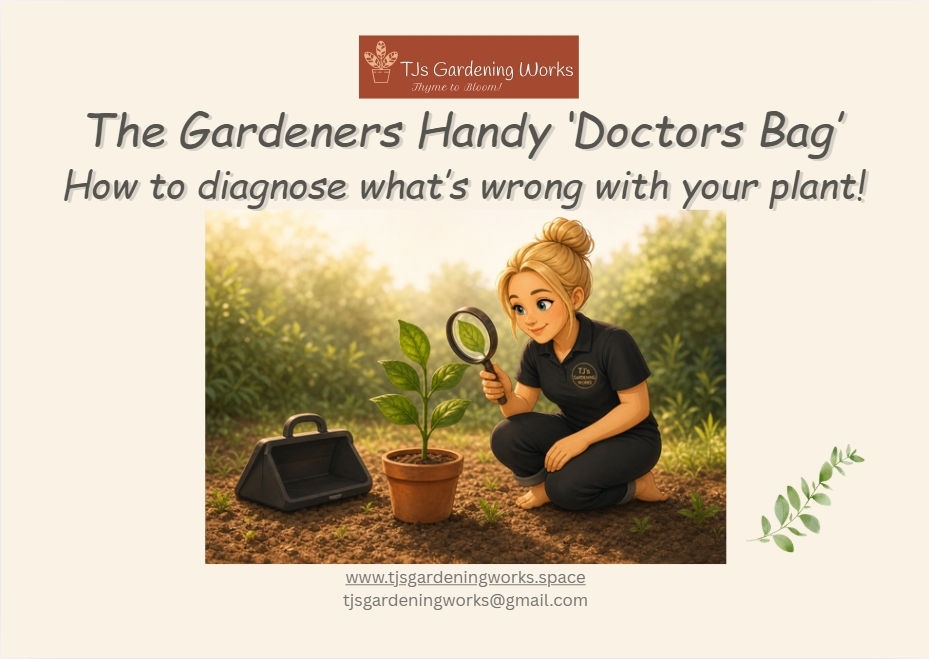
My 26 page guide to becoming a 'Plant Doctor'. Learn to identify and deal with all the common pests, diseases and disorders.

A 20 page detailed look at what hydrophobic soil is, how to fix it and prevent it ever happening again.

My bumper guide on all things soil. Learn how to identify your soil type with simple little experiments you can do right there at home. Understanding your soil type, how to care for it and what will like growing in it can save a lot of money and heartache down the track.

A lovely little 16 page guide to water saving practices and plant recommendations for a drying climate.


I wrote Barefoot in the Backyard: Where It All Begins because I genuinely believe that once you understand what’s happening beneath your feet, the way you garden begins to change.
So many of the problems we battle above the ground — plants that struggle, water that seems to disappear, pests and disease, gardens that need constant feeding and fixing — often have their beginnings below it. And soil doesn’t need to be complicated or wrapped up in
scientific language to understand it. Sometimes we just need someone to explain what’s actually going on down there, in a way that makes sense.
Across 196 beautifully illustrated pages, I’ll help you get to know your own patch of earth and understand how soil, compost, mulch, water, plant nutrition and all those wonderful little living things beneath our feet work together to grow a healthier, happier garden.
But this isn't a textbook.
It’s filled with fun little experiments you can try for yourself, practical garden recipes, beautiful illustrations, and warm stories from my own garden and from growing up with dirt under my fingernails. I want you to learn as you read, but I also want you to smile, reminisce, get curious, wander outside to investigate something — and perhaps begin looking at your own backyard a little differently.
Whether you're planting your very first garden or you've been gardening for decades, this is a book to keep close, scribble notes in, come back to, and hopefully treasure for years to come.
And Where It All Begins really is just that — the beginning.
There are more Barefoot in the Backyard books to come, taking us beyond the soil and further into creating, planting and enjoying the beautiful, living backyards we call our own💚

More Blogs You Might Find Interesting

There’s something almost mystical and other-worldly about the first time you see a barn owl glide across a paddock at dusk.
No wingbeat sound.
No warning call.
Just a pale, heart-shaped face drifting silently through the fading light like a ghost on the wind.
Here in South Australia, we are so lucky to call them our own

One of Australia’s most misunderstood garden legends: the blue-tongue lizard.
Now despite their tough-guy act, blue tongues are absolute sweethearts when it comes to our gardens and ecosystems. They’re not aggressive, they don’t want your lunch, (mind you they’ll snack on the cats food if you leave it out) and they’re certainly not plotting your downfall, they’re just doing an important job and hoping we’ll leave them be.

With climate patterns shifting and drought becoming a more common reality for so many of us, as gardeners we’re faced with the new challenge of how to keep our gardens thriving with less water.
Gardening during dry times isn’t about giving up and accepting defeat, it’s about getting smart and creative. By embracing some simple alternatives, our gardens can become more resilient, sustainable, and beautiful than ever.


